Michel Lelong's
Guitar Tab Workshop
Michel Lelong's
Guitar Tab Workshop
9 artists and 3 tablatures in this genre.
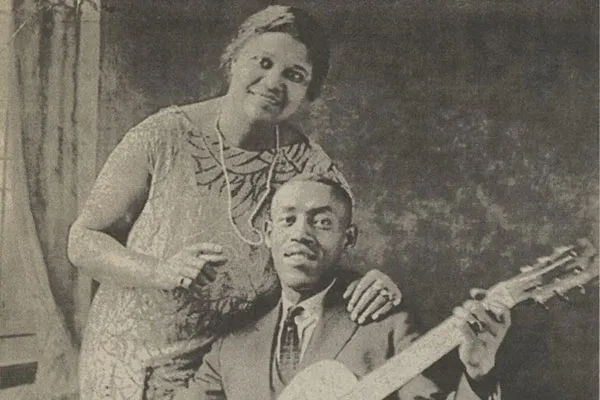
Sylvester Weaver was an American guitarist who pioneered recorded blues guitar in the 1920s, known for popularizing slide guitar and influencing future generations of blues musicians.
Genres: blues
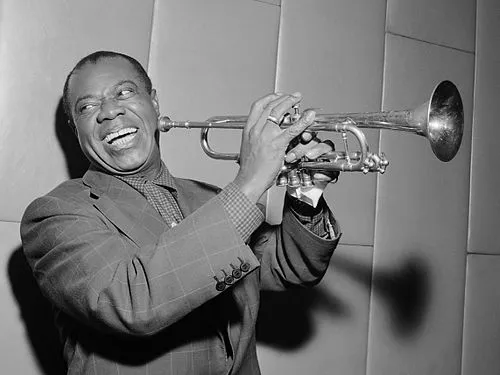
Louis Armstrong was an American trumpeter, singer, and composer who became one of the most influential figures in jazz. Rising to fame in the 1920s, he revolutionized the genre with his virtuosic trumpet playing, distinctive gravelly voice, and charismatic stage presence. His innovations in improvisation and phrasing helped shape modern jazz and popular music. Iconic songs like "What a Wonderful World" and "Hello, Dolly!" cemented his legacy as a beloved cultural icon worldwide.
Genres: Jazz, blues
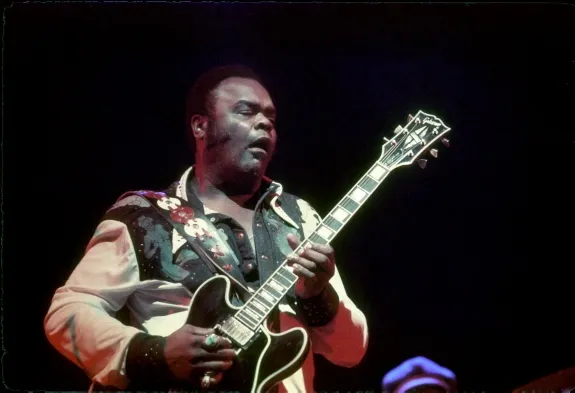
Freddie King (1934–1976) was an influential American blues guitarist and singer, known for his powerful playing and hits like Hide Away and Have You Ever Loved a Woman. He blended Texas and Chicago blues styles and influenced artists like Eric Clapton. He died at 42 but remains a blues legend.
Genres: blues
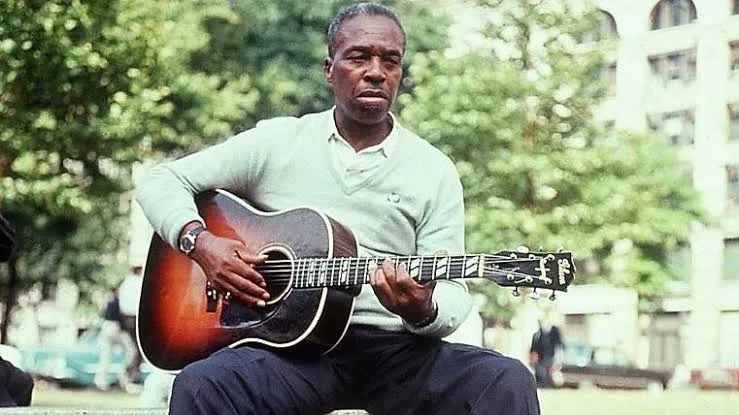
Skip James was an American Delta blues singer, guitarist, and pianist known for his haunting voice and unique fingerpicking guitar style. Born in 1902 in Mississippi, he recorded a few influential songs in the 1930s before disappearing from the music scene. Rediscovered in the 1960s folk revival, his dark, emotional music gained new recognition.
Genres: blues
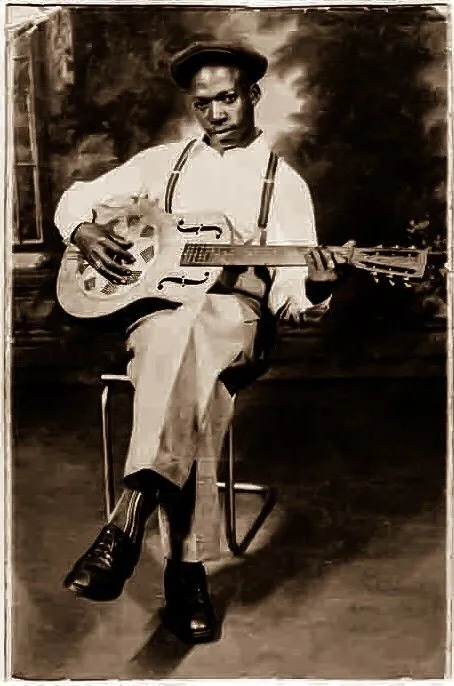
Willie Brown was an influential American blues guitarist and singer, active in the early 20th century. Known for his strong Delta blues style, he often played with legends like Charley Patton and Son House. Though he recorded only a few songs, including "Future Blues" and "M & O Blues," his powerful slide guitar and rhythm work left a lasting impact on blues history.
Genres: blues
Henry Thomas (1874–1930) was an American blues musician and singer from Texas. Considered one of the pioneers of rural blues, he played guitar and quills (a traditional pan flute). His 1920s recordings, such as Fishing Blues and Bull Doze Blues, influenced many folk and blues artists of the 20th century.
Genres: blues
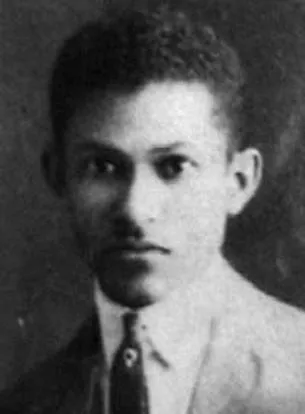
W. Moore was an American blues singer and guitarist, active in the 1920s. Little is known about his life, but he is remembered for his 1928 recordings, including Ragtime Millionaire and One Way Gal, which combined blues with ragtime-influenced guitar picking.
Genres: blues
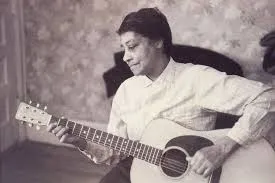
Elizabeth Cotten (1893–1987) was a self-taught American folk and blues musician from North Carolina, best known for her iconic song "Freight Train," which she wrote as a child. Her playing style is legendary: being left-handed, she played a right-handed guitar flipped upside down, picking melodies with her fingers on the bass strings and rhythm with her thumb on the treble — a technique now called "Cotten picking" that gives her music its distinctive gentle, rolling quality. Rooted in Piedmont blues and Appalachian folk, her work is warm, unhurried, and deeply intimate. Rediscovered in the 1950s while working as a housekeeper for the Seeger family, she went on to win a Grammy at age 90 and remains a profound influence on acoustic and folk guitar.
Genres: blues, folk
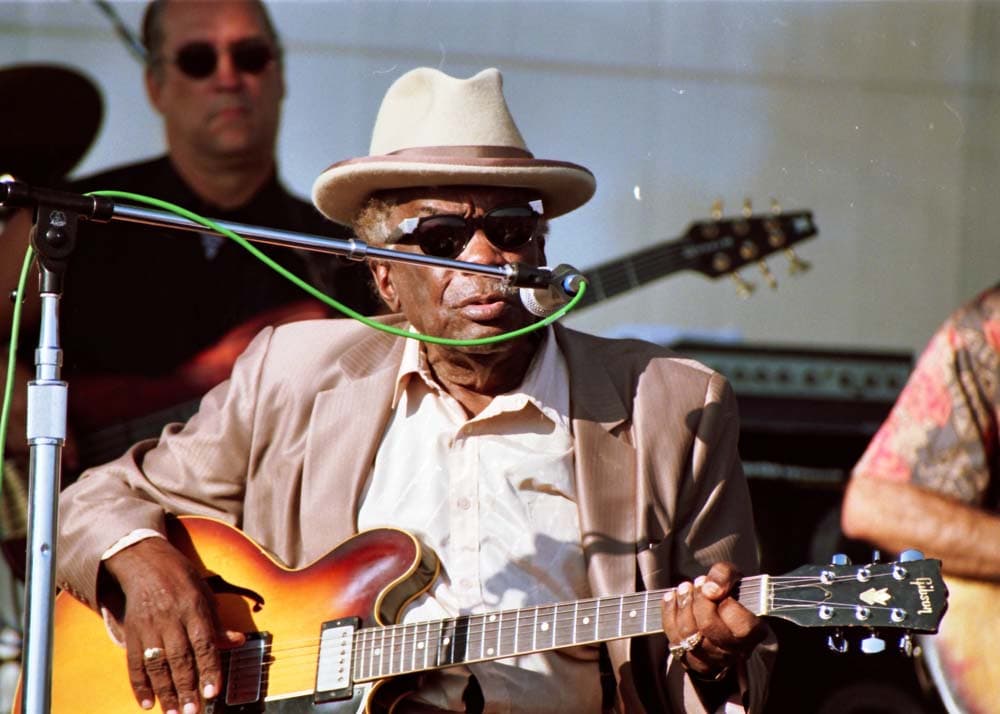
John Lee Hooker (1917-2001) was an American blues singer, songwriter and guitarist. Born in Mississippi, he moved north to Detroit, where he turned the Delta blues of his childhood into a raw, hypnotic electric boogie built on droning one-chord grooves and a stomping foot. Hits like "Boogie Chillen'", "I'm in the Mood" and "Boom Boom" made him one of the most influential bluesmen of the electric era.
Genres: blues